
Have you ever wondered how a creature survives in the deepest, darkest depths of the ocean, or how an animal thrives in a sun-baked desert? The natural world is full of incredible quirks which allow creatures to conquer almost any environment on Earth.
Every animal you encounter has a unique set of tools that help it to survive in its home environment. By exploring these remarkable traits, we can begin to understand the true ingenuity of the natural world and how ecosystems stay in perfect balance.
What is an animal adaptation?
An animal adaptation is an inherited feature or characteristic that helps a living creature survive and reproduce in its specific environment. These special traits do not appear overnight; instead, they are passed down through generations over vast periods of time.
Over many thousands of years, animals with these helpful traits are more likely to survive and pass those traits onto their offspring, shaping the species for long-term success. We call this process evolution.
Crucially, there is a difference between a true evolutionary adaptation and a simply learned behaviour. For instance, stonefish have an evolutionary adaptation in the form of its camouflaged skin. On the other hand, some fish species have learned how to detect chemical signatures in the water to find their way home.
Why do animals adapt?
The wild is a highly competitive and challenging place where creatures must constantly face extreme weather, food shortages, and predators. To stay alive, every creature relies on its specialised traits to overcome these obstacles.
These evolutionary changes are vital because they directly help animals find food, avoid dangerous predators, successfully reproduce, and cope with harsh environmental conditions. Without these fine-tuned traits, species would struggle to survive when their surroundings change.
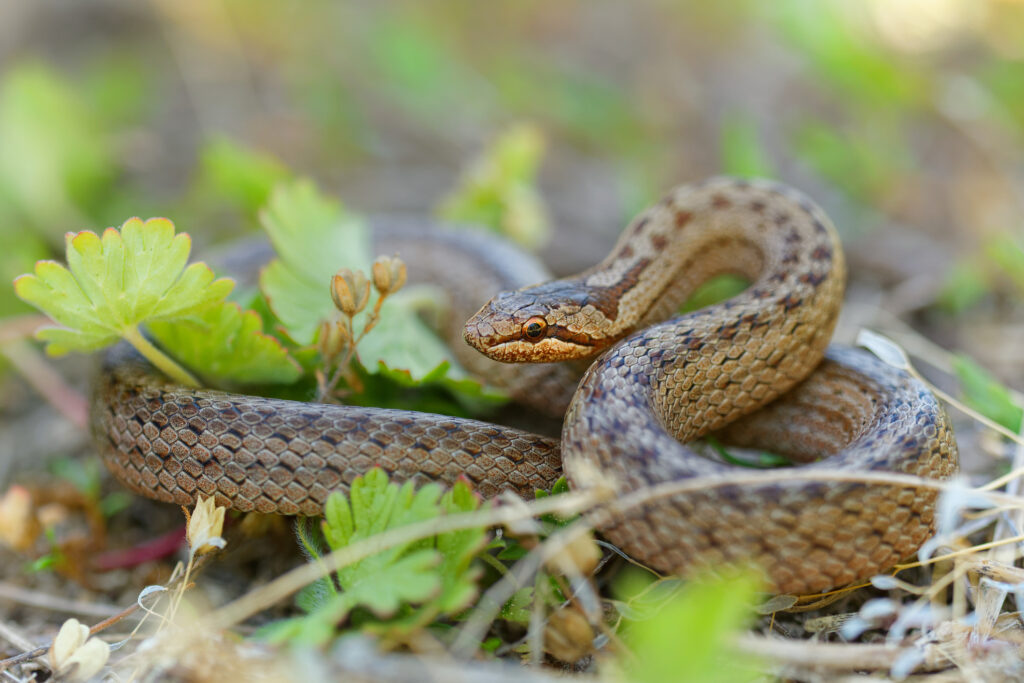
At the most basic level, we must think about what animals need to survive. Every living creature requires a reliable source of food, clean water, safe shelter, sufficient space, and suitable environmental conditions. Adaptations are the keys that unlock these essential resources in different corners of the globe.
The main types of animal adaptation
To make sense of the vastness of traits across the natural world, scientists group these characteristics into three distinct categories.
Physical adaptations
A physical adaptation is a structural change or feature on an animal’s body that gives it a distinct advantage in its habitat. These are the visible traits that you can easily spot when observing wildlife up close.
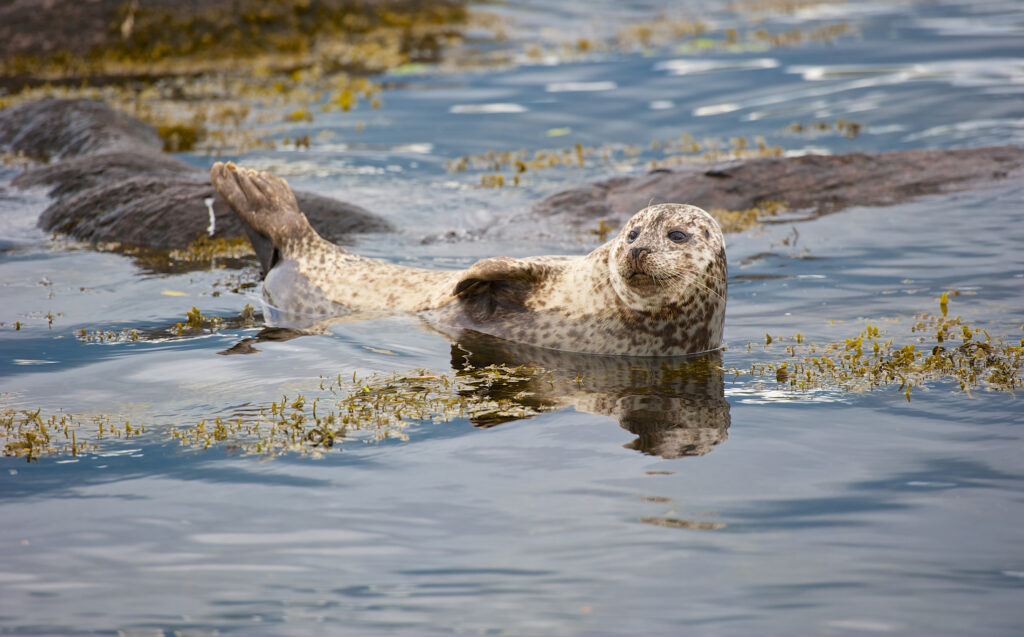
Some amazing physical adaptations include the thick layer of insulating blubber on marine mammals such as seals, and dermal denticles instead of traditional scales on a shark to help reduce drag and providing armour.
Behavioural adaptations
A behavioural adaptation involves the specific actions or things an animal does instinctively to increase its chances of survival. These actions are hardwired into the creature’s DNA rather than being taught or chosen.
Classic instances of this type include seasonal migration to warmer climates, winter hibernation to conserve precious energy, and complex group hunting strategies. Living in large groups, like a school of fish or a pod of marine mammals, also provides safety in numbers from lurking predators.
Physiological adaptations
A physiological adaptation relates to the internal body processes and chemical functions that help an animal survive in its surroundings. Unlike outward physical features, these mechanisms happen completely inside the creature’s cells or organs.
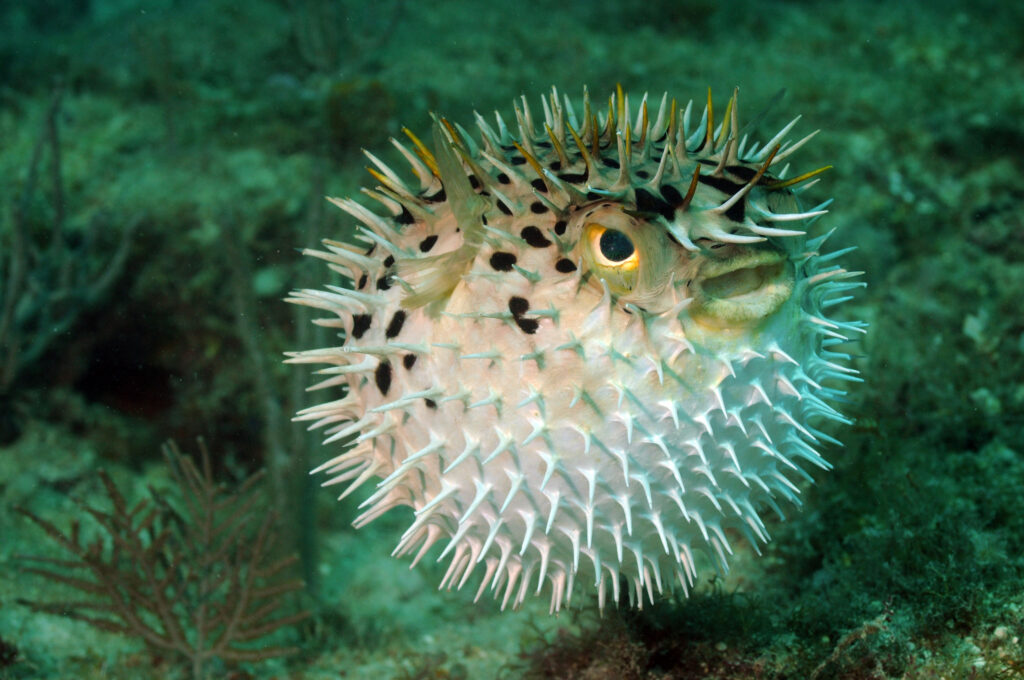
Fascinating examples include the complex production of defensive venom, advanced internal temperature regulation, and specialised breathing abilities that allow deep-sea creatures to survive with minimal oxygen, making them just as crucial as any outward physical trait.
How do animals adapt to their environment?
There is an unbreakable relationship between a habitat and the specific adaptations of the creatures that live there. Every unique environment presents its own set of survival challenges, from freezing polar winds to scorching desert sands.
Different climate environments create distinct pressures, forcing wildlife to develop completely different solutions to survive.
Examples of animal adaptations around the world
Looking across our planet reveals a breathtaking gallery of survival strategies. Let us take a journey through some of Earth’s most extreme habitats to see these concepts in action.
Rainforest animal adaptations
The dense tropical jungle is a place of fierce competition, heavy rainfall, and towering vegetation. Animals in the rainforest, adapting to these conditions, must find clever ways to navigate the thick canopy and secure scarce food.
Many species develop prehensile (adapted for seizing, grasping, or holding objects) tails that act like an extra hand for gripping wet branches, while others use brilliant neon colours to warn predators of their toxicity. Camouflage is also highly advanced here, allowing creatures to mimic dead leaves or tree bark to stay entirely hidden.
Fish in the Amazon have evolved some fascinating adaptations too. Neon tetra for example have an iridescent blue stripe to enhance navigation in dark water and help the group find each other.
Ocean animal adaptations
The marine world requires incredible specialised skills to handle underwater pressure, low visibility, and the constant need for movement. Marine animals have evolved spectacular ways to breathe, communicate, and hunt beneath the waves.
Gills allow creatures to extract oxygen directly from water, while countershading, where an animal is dark on top and light underneath, hides them from predators looking from above or below. Many deep-sea inhabitants even generate their own light to find mates in the pitch-black.
Polar animal adaptations
In the freezing polar regions, the ultimate goal is retaining heat and finding food across icy landscapes. The creatures here are built to withstand temperatures that would freeze most other animals very quickly.
Thick water-repellent fur, heavy layers of fat, and compact ears that minimise heat loss are essential for polar residents.
Desert animal adaptations
Deserts present a dual challenge of extreme daytime heat, freezing night temperatures, and a severe lack of water. Survival here relies on conservation of moisture and smart temperature control.
Many desert creatures are strictly nocturnal, choosing to stay deep underground during the scorching day and emerging only in the cool evenings. You might be surprised, but you’ll actually find fish in desert regions too, with adaptations that allow them to tolerate hot, salty and low oxygen water.

Animals with adaptations you can see at Tynemouth Aquarium
You can see these incredible evolutionary tools in action on the North East coast by observing our residents at Tynemouth Aquarium, Our playful harbour seals (Phoca vitulina) make great use of their insulating blubber and sensitive tracking whiskers in our specially designed Seal Cove exhibit. Our ocean tunnel is home to the streamlined blacktip reef shark (Carcharhinus melanopterus) with its self-replacing teeth alongside the flat bodies of the blue-spotted stingray (Taeniura lymma).
Across the entire aquarium, guests will marvel at the clever camouflage of our seahorses (Hippocampus), the stinging-tentacle immunity of the common clownfish (Amphiprion ocellaris), the flexibility of our octopus (Octopus vulgaris), the bioluminescent flashlight fish (Anomalops katoptron), and the inflating guineafowl puffer (Arothron meleagris).
Plan Your Visit to Tynemouth Aquarium
The absolute best way to understand these remarkable survival strategies is to see them with your own eyes. Educating our guests is one of our top priorities, and the team are always on hand to answer questions and provide even more fun facts about the animals you’ve learned about in this blog. Our regular talks and feeds take place daily, so be sure to take a look at the timetable to avoid disappointment! If you’re raring to see how our animals have adapted over millions of years, book your tickets now and be prepared to be amazed.