
Do you know what you can and can’t recycle? This is something we should all be aware of since it can benefit future populations and support conservation efforts. So, to make sure we’re all on the same page when it comes to recycling, we’ve put together a quick guide. There’s also a quiz at the end to test your knowledge!
What does recycling mean?
When we recycle something, this simply means that the material is being used again. In some cases, the item can stay the same and just be reused. Other items may need to be sent to a recycling centre, where the material can be broken down and reprocessed to be used for another item.
Why is it important to recycle?
We’re always being told to recycle wherever possible, but what are the benefits of doing so? Here are just a few of the main areas that are impacted by recycling:
- Natural resources: When we reuse existing items, we’re conserving finite reserves of natural resources since we don’t need to mine for these as often.
- Landfills: With fewer items ending up in the general waste, this can significantly reduce the amount of waste that’s sent to our landfills. Therefore, landfills won’t fill up as quickly and are less likely to seep into the oceans and pollute our waters with harmful chemicals as materials break down over time.
- Pollution: Air and water pollution are significantly reduced because recycling requires less energy and means that we’re releasing fewer harmful gases into the atmosphere.
What can you recycle?
Many items and their packaging can be recycled. It’s important to check any packaging for recycling symbols and instructions before you throw it in the bin, since it might not be obvious which bin it should be placed in at first glance.
It’s also a good idea to check local recycling guidance, since this may vary depending on where you are in the UK and the facilities that are available.
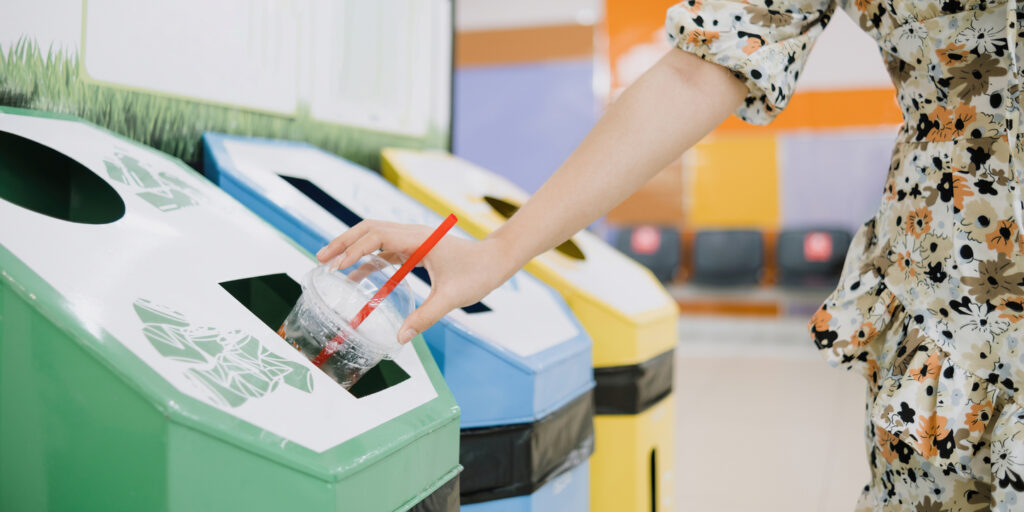
Paper and cardboard
Paper and cardboard items can be recycled if there aren’t any signs of tape, polystyrene inserts or plastic. This means that it doesn’t need to be separated and can easily be broken down to be repurposed.
Examples include:
- Cardboard packaging and sleeving
- Cardboard boxes
- Leaflets
Single plastic
Single plastics can be recycled at specific plastic drop-off points, including local banks and supermarket collection points.
Examples include:
- Plastic bottles
- Pots
- Tubs
Glass
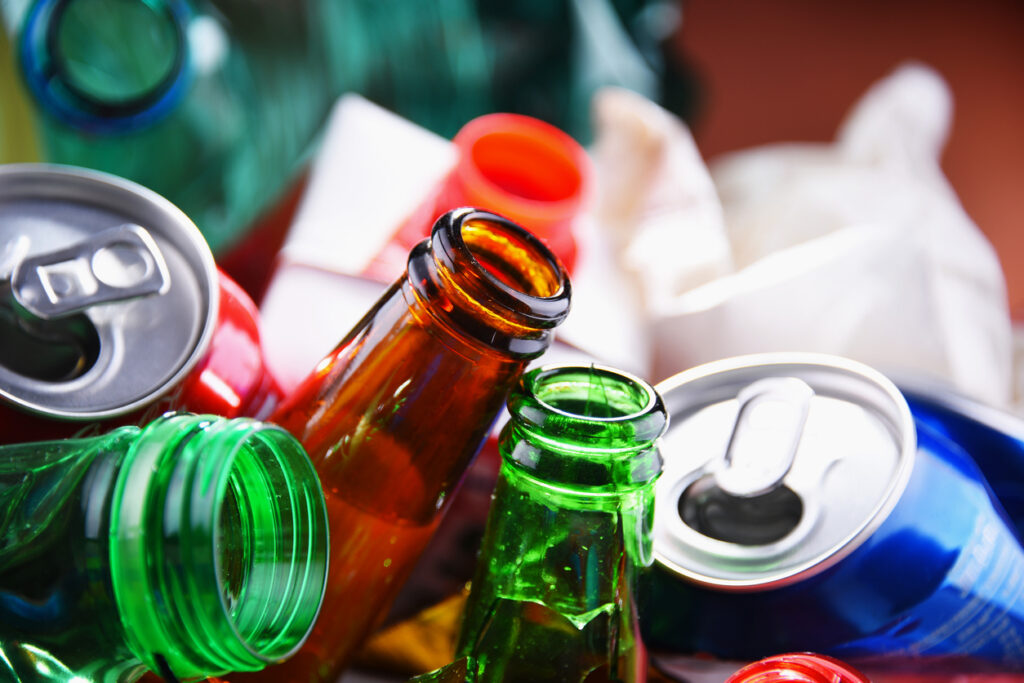
Most glass bottles and jars are recyclable. However, if these are broken, you’ll no longer be able to recycle them since this is a safety hazard for those working in recycling facilities.
Other glass materials, like drinking glasses and mirrors, can’t be recycled as they contain other materials.
Metal
Most metal products are recyclable, from food tins and drinks cans to foils and trays. Metal items used to transport or store food should ideally be rinsed thoroughly before being placed in the recycling.
Garden plants and cuttings
Garden waste, such as plants and cuttings, can be composted and recycled. Some local authorities will collect this waste as part of their household collection scheme, while others require you to take garden waste to a local waste facility.
Examples include:
- Flowers
- Leaves
- Soil
- Clippings
- Branches
Small electricals
Things like mobile phones can be recycled at local collection points and specialist electronic waste facilities. However, they can’t be placed in your recycling bin.
What items can’t be recycled?
Now you know what can be recycled, it’s also worth noting what can’t be recycled. Placing non-recyclable items in recycling bins can contaminate the waste and mean that fewer items can be recycled, so it’s important to sort them correctly.
Food waste
Most food waste, such as leftovers, can’t be recycled. However, this can differ depending on your local authority. Some food items like vegetable peelings, tea bags and eggshells can be placed in the compost because they’ll decompose.
Contaminated items
Materials heavily contaminated with grease or food can’t be recycled because they can’t be restored to their natural state. Paper with a glittery or shiny reflection also can’t be recycled.
Hazardous waste
Large electronics, batteries and medical waste can’t be recycled and should go in your general waste bin. For really large electronics, your local waste collection service can help you dispose of them correctly.
Mixed plastic
Plastic items, like Styrofoam, foam cups and crisp packets can’t be recycled due to the layers of plastic they contain. Since these are difficult for recycling centres to separate, they must be disposed of in the general waste.
How can you dispose of items that can’t be recycled?
Generally, any items that can’t be recycled should be disposed of in the general waste.
However, some items, such as old clothing, games, DVDs and shoes, could be donated, repurposed or sold as long as they’re still functional. This is a great way to ensure you’re minimising your waste wherever possible and giving old items a new lease of life.
Recycling quiz – Test your knowledge
Think you know which common household items can be recycled? Take our fun quiz below and test your knowledge!
We hope you’ve enjoyed getting to grips with what can and can’t be recycled. This is an important part of protecting our planet’s resources, as well as supporting ocean conservation efforts, which is something we’re passionate about here at Tynemouth Aquarium.