World Aquatic Animal Day is celebrated annually on the 3rd April, a day dedicated to appreciating the incredible diversity of life beneath the waves and understanding the vital role these creatures play in maintaining the health of our planet’s ecosystems. At Tynemouth Aquarium, we are proud to showcase a stunning array of aquatic animals that contribute to the delicate balance of their environments. Let’s take a closer look at some of these fascinating species and why preserving their habitats is crucial for a sustainable future.
Blacktip Reef Shark
These agile predators are vital for healthy coral reef systems. By keeping the populations of smaller fish in check, Blacktip Reef Shark help maintain the balance necessary for coral growth and reef resilience.
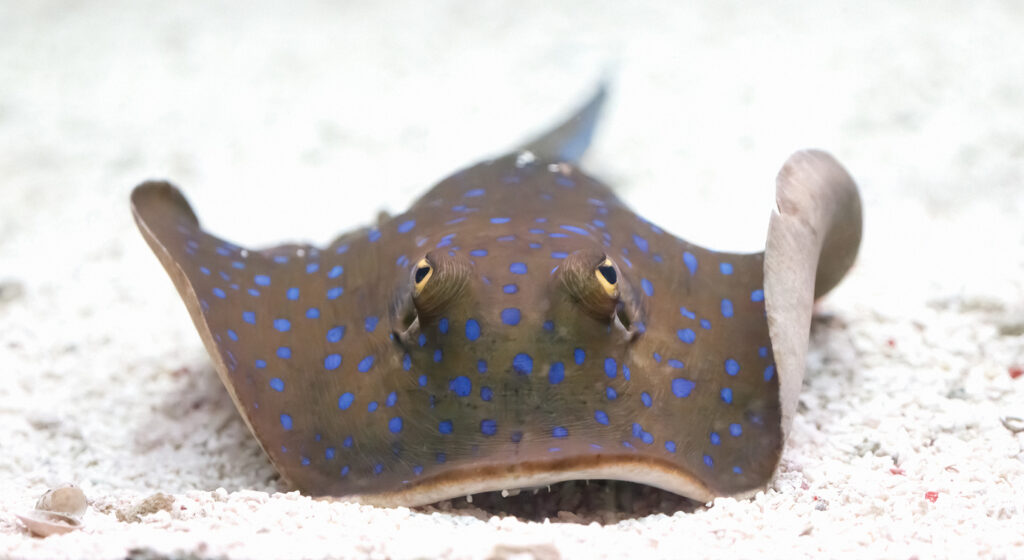
Blue Spotted Stingray
With their striking appearance, blue spotted stingrays play a key role. They help control invertebrate populations and aerate the sea floor, which promotes nutrient cycling essential for marine plant growth.
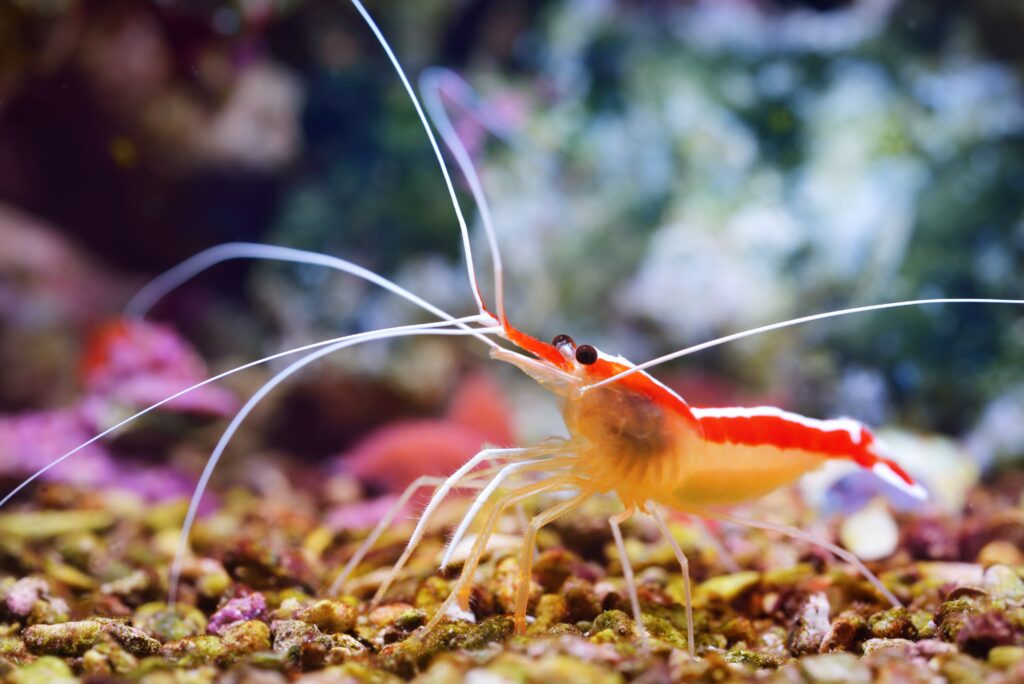
Cleaner Shrimp
Small but mighty, cleaner shrimp provide a service to many fish species by removing parasites and dead skin. This cleaning symbiosis enhances fish health, contributing to the overall vitality of reef communities.
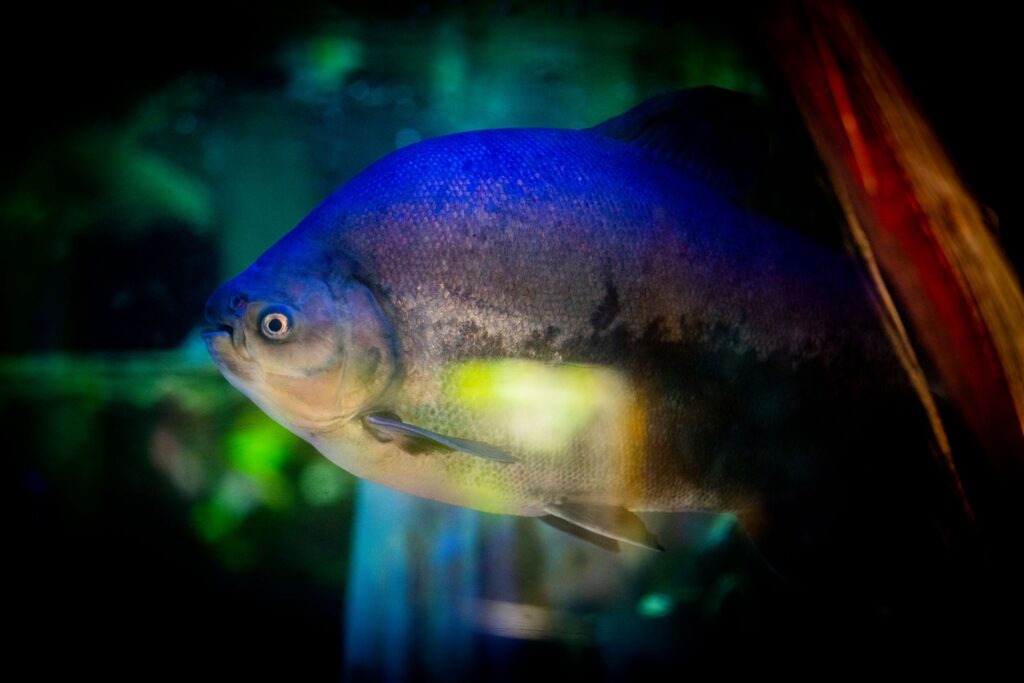
Giant Pacu
This large freshwater fish is a herbivore, helping to control aquatic plant growth. In their natural habitats, Giant Pacu support the health of rivers and lakes by managing plant overgrowth and contributing to nutrient cycling. Visit our River Giants exhibit to find out more.
Red-Eared Terrapin
As freshwater turtles, red-eared terrapins contribute to aquatic plant management and help control insect populations, supporting healthy freshwater ecosystems. They can live up to 70 years old, so these creatures are spending a long time supporting their environments!
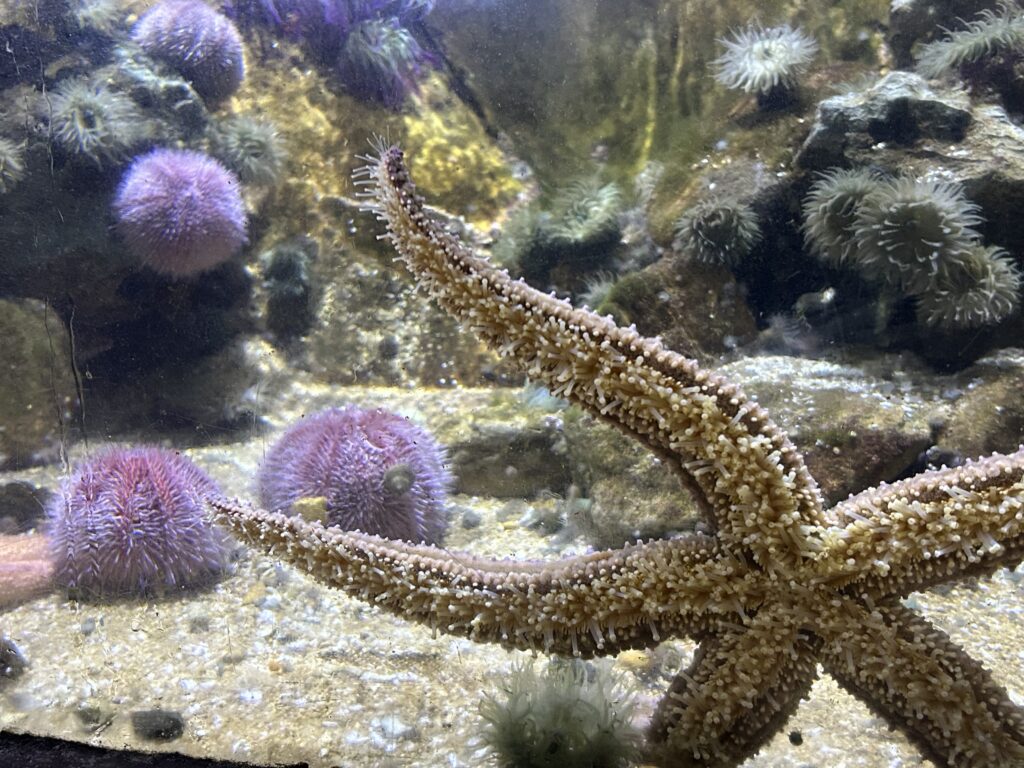
Starfish
Starfish are keystone predators in many marine environments. With over 2,000 species, they help control bivalve populations, which prevents overgrazing of coral reefs and maintains biodiversity. Learn more about our Starfish during our Rockpool Encounter every day at 10:30am.
Why Is Ecosystem Balance Important?
Every species in our aquatic environments has a role to play, whether as predator, prey, cleaner, or regulator. When one species declines or overpopulates, it can disrupt the entire ecosystem. This imbalance can lead to coral bleaching, loss of biodiversity, and degraded habitats, which ultimately impact human communities that rely on healthy seas for food, tourism, and climate regulation.
Our Responsibility
At Tynemouth Aquarium, we believe that education and conservation are key to preserving these delicate ecosystems. By understanding the importance of each species and supporting efforts to protect their natural habitats, we can help ensure that our seas remain balanced and vibrant for generations to come. Visit our Aquarium, explore our exhibits, participate in our Talks & Feeds and speak to our Aquarists to become your own expert in our Marine Marvels!