
Rivers shape the world around in ways that we often overlook. The natural world has been shaped by rivers breaking down, moving, and depositing rock and soil, which helps to reshape the landscape.
You might not even realise how closely linked humans are to rivers. But, here’s a test, think of a major city… It’s almost certainly on a river. London, France, New York, the list goes on…
If rivers are so important to our survival, it’s only right that we know as much as possible about them. So, if you’re ready to learn, it’s time to learn some fun facts about rivers.
What is a River?
At its heart, a river is a naturally flowing watercourse, usually freshwater, that travels towards an ocean, sea, lake, or even another river. They act like the Earth’s circulatory system, carrying water from high ground down to the sea.
River vs Lake
While they might both look like a great place for a splash, rivers and lakes are actually quite different. The most obvious difference is that a river is a moving journey of water, whereas a lake is a stationary body of water that is surrounded by land. While rivers are open systems constantly flowing to a destination, lakes are closed basins that hold water in place.
Why are Rivers Important?
Rivers do a fantastic job of supporting life on Earth in many different ways. They provide essential habitats for a huge variety of wildlife, keeping our ecosystems thriving and balanced. For humans, they are just as crucial, providing the freshwater we need for our settlements, our leafy agriculture, and various busy industries.
These waterways have historically provided navigation for exploration, trade, and commerce, allowing us to connect with the rest of the world. They also serve as a vital means to transport nutrients and sediment across the land. Beyond logistics, rivers provide us with incredible resources for leisure and tourism, as well as the raw energy needed for hydroelectric power. Their changing levels of energy even help to physically carve and shape the beautiful landscapes we love to explore.
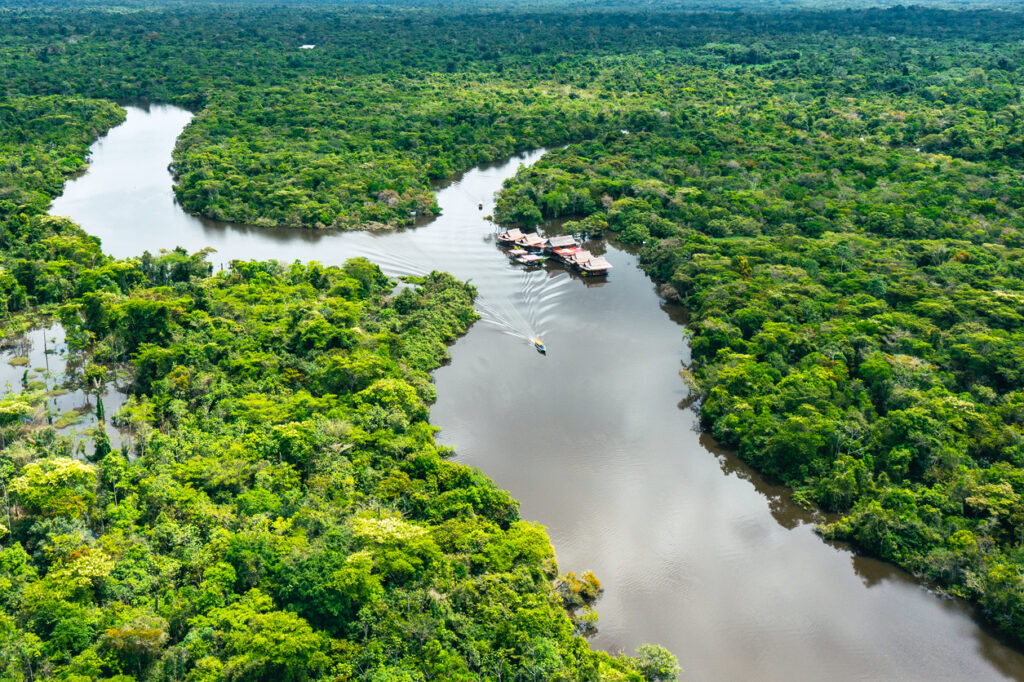
What Animals Live in Rivers?
The underwater world of a river is absolutely teeming with life, and some truly amazing creatures have made these flowing waters their home.
Fish
Freshwater fish species are the stars of the river, with many having adapted specifically to the unique currents and oxygen levels found in moving water. Nearly half of all fish species live in freshwater, with around 10,000 different species, including some catfish and angelfish.
Mammals
Certain mammals have adapted perfectly to survive in and around rivers. Monkeys also call the areas around rivers home, such as marmosets that are found across Central and South America. Some monkeys have been known to drop food in rivers, which is great for feeding the likes of pacu fish! We have marmosets here at Tynemouth Aquarium, so you can learn a little more about these fascinating monkeys.
Amphibians
Amphibians love the damp, lush environment of the riverbank. These creatures often use the slower-moving parts of the water to lay their eggs, ensuring the next generation has a safe place to grow.
The Role of Mangroves in River Systems
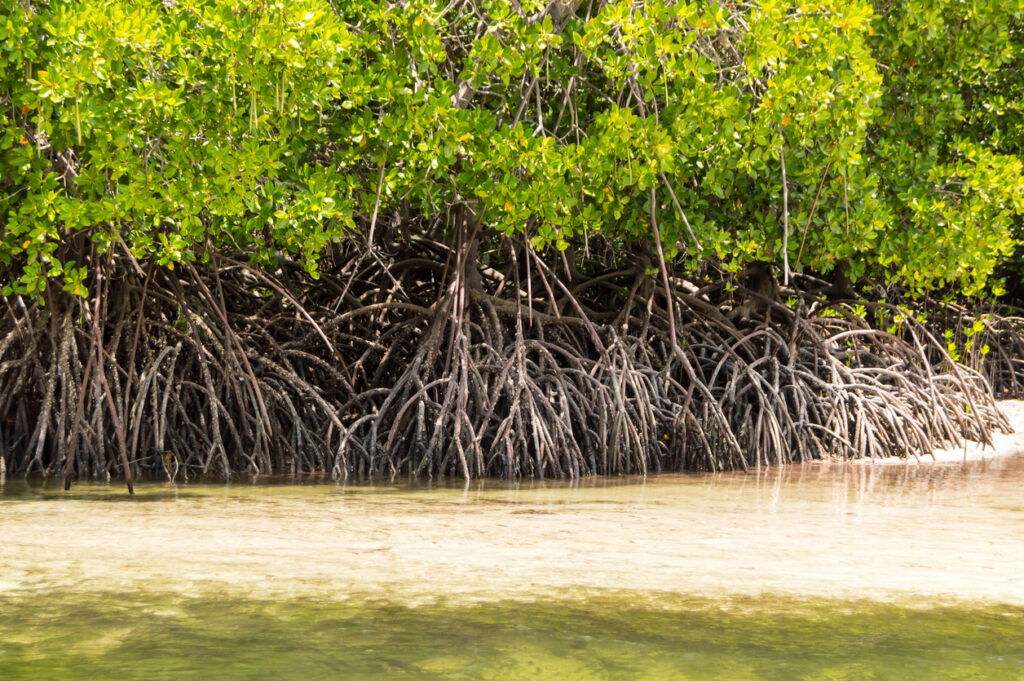
As well as animals, river systems around the world are also home to a wealth of plants and vegetation. In particular, mangroves play a crucial role in tropical and subtropical estuaries and tidal rivers. They act as a bridge between the freshwater, marine and terrestrial habitats, helping to maintain biodiversity and manage the water flow.
The roots of mangroves trap sediment from the river and land, helping to reduce erosion and protect the riverbank. It also stops this sediment from reaching the coast, therefore protecting other marine habitats like coral reefs and seagrass meadows. This trapped sediment decays and builds up over thousands of years and results in carbon-rich soil, which makes mangrove forests some of the most vital carbon stores in the world.
Archerfish are found amongst mangroves, and have a unique hunting technique to help them adapt to their habitat. Archerfish (Toxotidae) are able to spit streams of water to knock insects into the water from overhanging trees, creating a tasty meal. You can see banded archerfish (Toxotes jaculatrix) for yourself right here at Tynemouth Aquarium.
6 Impressive Facts about Rivers
If you want to impress your friends with some fascinating river trivia, here are some truly remarkable insights
The Amazon River is the biggest river on Earth by volume
The Amazon River is the largest in the world by volume, located in South America and spanning across 10 different countries. It’s a vital ecosystem and home to a huge array of species, with around 10% of the species on Earth found here. There’s no bridges across the Amazon River either, with the only way to cross by boat.
The World’s shortest river
On the other end of the scale, the Roe River in Montana, USA, is officially considered the shortest river in the world. Measuring just 201 feet (60 metres) in length, it proves that a waterway doesn’t have to be giant to be a fully functioning and important part of the ecosystem.
A rainbow of water
Rivers aren’t always just the standard blue or brown; they can actually be a stunning array of different colours depending on the minerals and vegetation found within them. Some rivers appear bright turquoise due to volcanic minerals, while others can turn deep red or even yellow based on the soil and algae present in the flow.
Rivers hold less than 1% of the Earth’s water
Even though they look massive and cover so much of our maps, rivers actually hold less than 1% of all the water on Earth. This is a startling reminder of how precious our freshwater resources are, as most of our planet’s water is either salty or locked away in ice.
The mysterious boiling river
Deep in the heart of the Amazon, you can find the world’s largest geothermal river, which is so hot it is literally known as the boiling river (Río Hirviente in Spanish). Reaching temperatures of nearly 93°C, this mysterious waterway is heated by underground hot springs, making it a truly unique natural wonder.
A global celebration
Rivers are so incredibly important to our world that World Rivers Day is celebrated globally every year on the fourth Sunday of September, to raise awareness about these vital ecosystems. This day encourages people all over the planet to appreciate, protect, and restore our waterways to ensure they stay healthy for future generations.
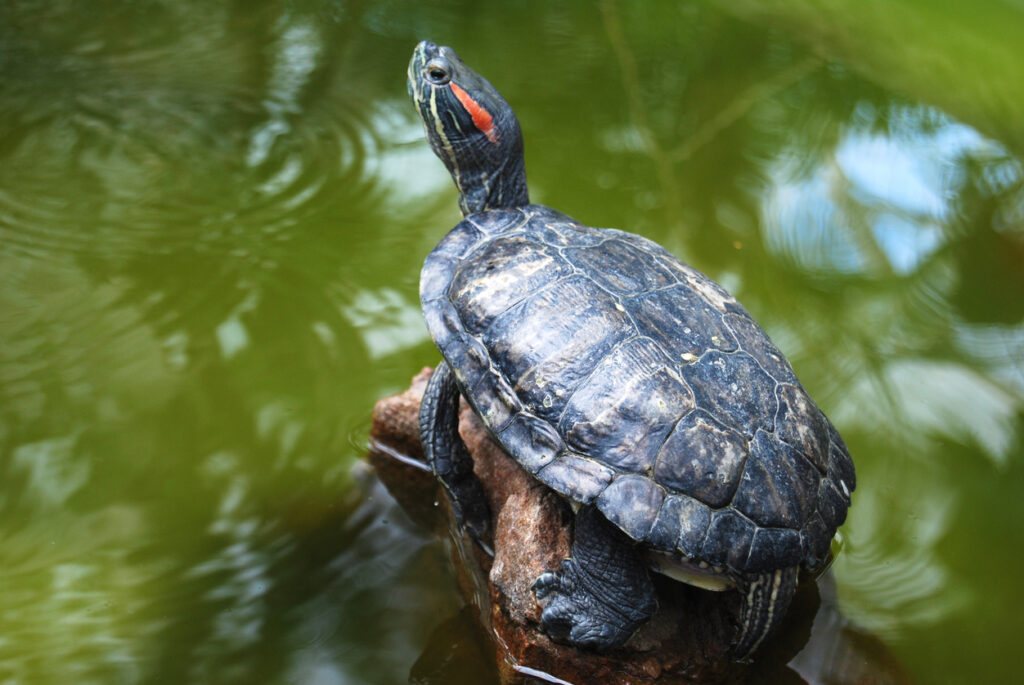
Are you ready to see some of these incredible river residents in person? You can take a deep dive into the world of freshwater wonders by visiting our River Giants exhibit to see some of the most impressive fish from around the globe. You can also explore the legends of the Turtle Bay and discover the animals that call this massive waterway home.
Book your tickets now to begin your river adventure!